How to Choose the Right Private Tour in Barcelona
Choosing a private tour in Barcelona is less about finding the most famous sights and more about matching the day to the way you want to move, learn and spend time. The city rewards curiosity. A good route leaves room for a narrow lane, a quiet courtyard or a long look at a facade that catches your eye. A poor one feels rushed, crowded and oddly generic, even when it includes famous names.
Start by deciding what the day needs to do for you. A first visit may call for a broad introduction, with Gothic Quarter streets, Barcelona Cathedral and a taste of the old city. A return visit might focus on architecture, food, art or viewpoints. Families often need shorter stretches and clear breaks. Travelers with limited mobility may need a flatter route and fewer transitions. Write down the purpose before comparing options, because that purpose will make every later choice easier.
Set the shape of the day
Private tours vary widely in pace and structure. Some follow a fixed route with set stops. Others are built around themes, such as Gaudí, medieval Barcelona, market food or photography. Neither type is automatically better. A fixed route can feel smooth and well paced when the sights matter most. A themed route can feel richer when you already know the basics and want more detail.
Think about time in blocks rather than a list of attractions. Walking across a city takes energy, and Barcelona's busy streets can slow a route down. If a day includes Sagrada Familia, Casa Batlló and Park Güell, there is a real risk of spending much of it moving between places and waiting at entrances. Two or three main stops, linked by a clear story, usually feel better than six disconnected ones.
Build in pauses. A coffee stop, a shaded square or a market wander can make the day feel more human. This matters even more in warm months. A route that looks fine on a map may feel tiring under the midday sun, especially on exposed streets and uphill paths. If the day is long, ask where the natural breaks sit and whether the pace can change as you go.
Match the route to your interests
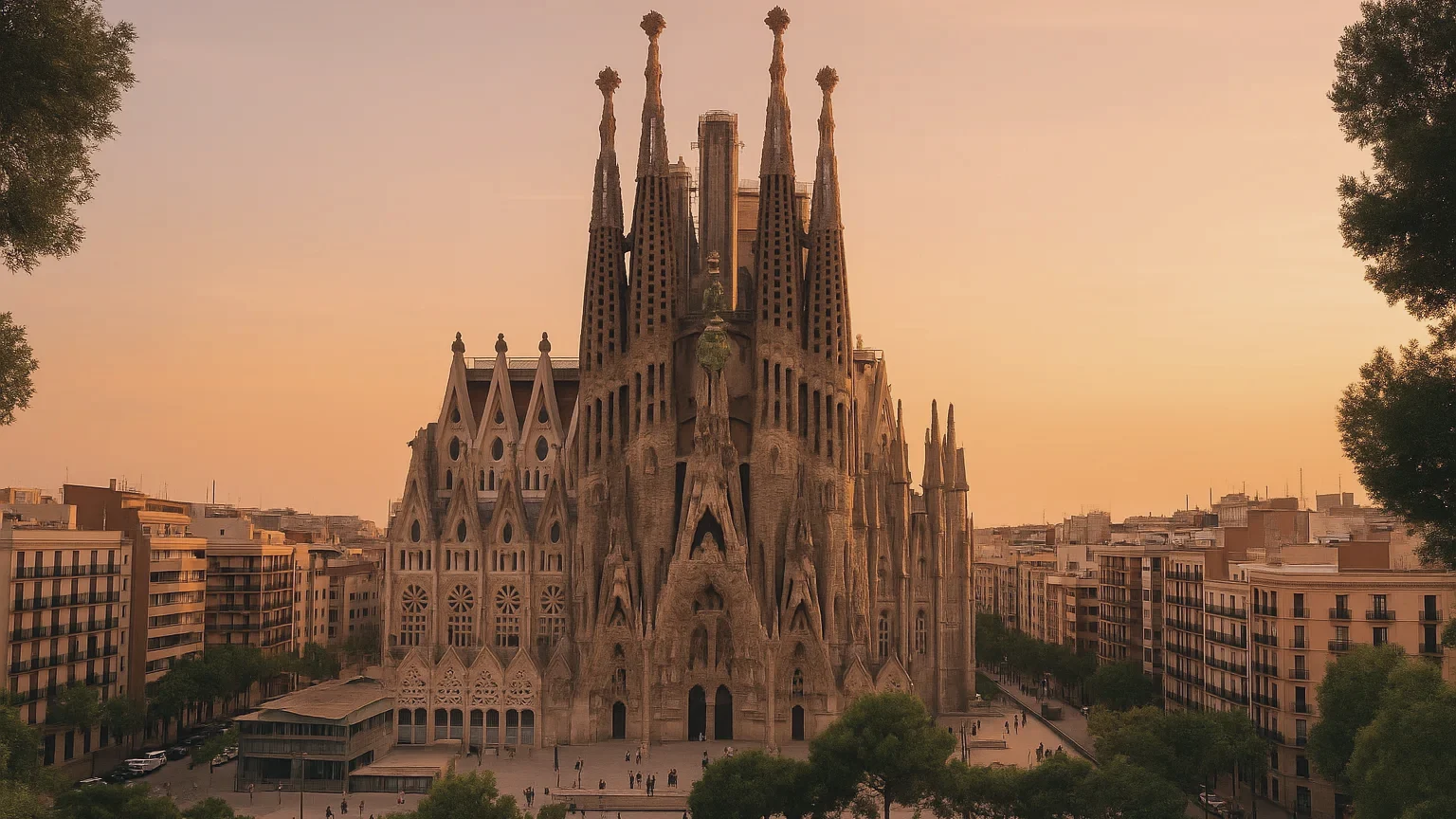
The best routes have a point of view. Gothic Quarter works well for history, architecture details and atmospheric streets. La Boqueria Market suits food interests, though it can be busy and better as part of a wider plan. Montjuïc offers open space, gardens and views, useful when you want less dense streets. Museu Picasso may appeal to art focused visitors, while Sagrada Familia and Casa Batlló suit those drawn to Modernisme.
Avoid choosing a route only because it sounds impressive. Ask what each stop adds. Does it help explain the city? Does it suit the age and energy of the group? Will there be enough time to look around rather than just arrive, hear a few facts and move on? A thoughtful short route often leaves a stronger memory than a packed itinerary.
It also helps to decide how much structure you want. Some people like clear storytelling and precise context. Others prefer a loose framework with time to wander and ask questions. Both are valid, but they lead to different kinds of day. Be honest about your style before booking, especially if you are traveling with people who have different interests.
Check how the day is organized
Once the theme feels right, look at practical details. Confirm the meeting point, the approximate duration and how much walking is involved. Check whether the route is mostly flat or includes slopes, stairs and uneven surfaces. Ask if public transport is part of the plan and whether tickets need to be arranged separately. These points shape the experience far more than polished wording on a page.
Group size is another quiet factor. A smaller group usually makes conversation easier and allows more flexibility in busy areas. A larger group may feel efficient but can make it harder to hear, ask questions or pause. If the day is meant to feel personal, clarify how many people will be present and whether the route can adapt to the group.
Language matters too. The tour should be conducted in a language everyone in the group can follow comfortably. If some participants understand only part of the conversation, the day can feel disconnected even when the stops are excellent. When comparing options, look for clear communication before the day, including how changes are handled and what happens if plans need to shift because of weather or closures.
Private Tour in Barcelona can be a useful phrase when beginning your research, but the real decision comes from comparing the substance behind each option. Look at the route, the rhythm, the level of detail and the practical arrangement. If those pieces fit, the day is far more likely to feel worthwhile.
Read the details before committing
Careful reading prevents most disappointments. Check what is included and what is not. Entrance tickets, transport, meals and extra stops may be handled in different ways. If a landmark is central to your plans, confirm that the visit actually includes entry rather than only a view from outside. This distinction can change the whole feel of the day.
Pay attention to cancellation terms and timing. Plans change, especially during travel, and rigid conditions can turn a small shift into an expensive problem. The aim is not to find the most flexible option possible, but to understand the rules before agreeing to them. Clear terms are a sign of a well organized experience.
Reviews can help, but read them with care. Look for repeated comments about pace, communication, knowledge and route balance. A single glowing comment may say little. Repeated notes about feeling rushed or spending too long at one stop are more useful. Also consider whether the reviewer wanted the same type of day that you want. A family outing and an architecture focused visit have different standards.
Ask a few targeted questions
Before making a decision, a short set of questions can clarify almost everything:
- What is the full route, and which stops are flexible?
- How much walking is involved, and are there steep or uneven sections?
- Are entrance tickets included, or should they be arranged separately?
- What happens if weather or closures affect the plan?
- How large is the group, and what language is used?
The answers should be direct. If a reply is vague or avoids practical points, treat that as useful information. A well planned day can usually be described in plain terms. You should know where you are going, how long it will take, what is included and where the day might change.
Choose the option that fits your travel style
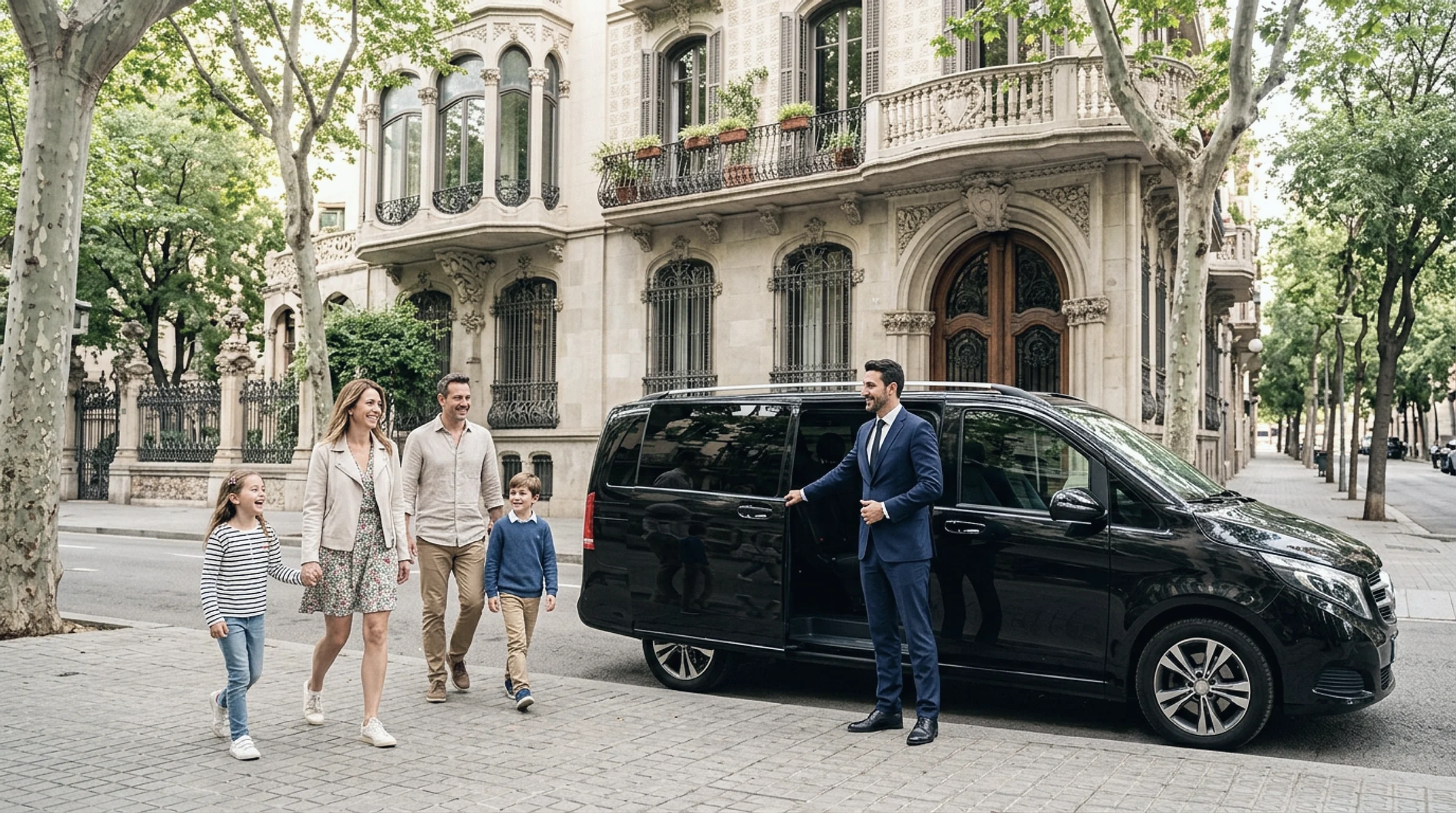
At the final stage, ignore the urge to pick the option with the longest list of sights. Think instead about the kind of day that will feel good from start to finish. If you like depth, choose fewer stops and more context. If you want variety, make sure the transitions are realistic. If you are traveling with children or older relatives, pace and comfort should outrank novelty.
Trust the details you have gathered. A route that respects your interests, your energy and your schedule will usually beat a famous-looking itinerary that leaves little room to enjoy the city. Barcelona is easy to admire in passing, but it is much better when the day gives you space to notice it.
Private Tour in Barcelona is ultimately about fit. When the route, timing and level of explanation line up with what you want from the city, the day feels less like a schedule and more like a well shaped visit.